Recycling and Sustainability at Clapham Removals
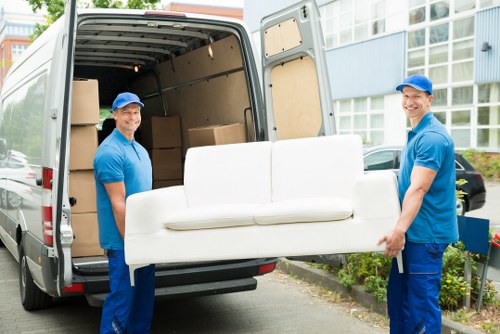 At Clapham Removals, sustainability is built into the way we plan, pack, transport, and dispose of items. Our aim is to make every move as efficient and environmentally responsible as possible, while helping customers reduce waste and keep useful materials in circulation. We work toward a recycling percentage target of 85% for suitable non-reusable move waste, with the long-term goal of improving that figure through smarter sorting, better reuse pathways, and fewer landfill-bound materials.
As a local Clapham removals team serving homes, flats, and businesses across South London, we understand how important it is to handle mixed waste carefully. Different boroughs in and around Clapham often have specific approaches to waste separation, so we make sure reusable and recyclable items are separated at source wherever possible. That includes cardboard, paper, metals, clean plastics, small WEEE items, and suitable wood packaging, each diverted into the most appropriate recycling route.
We also plan our operations around nearby local transfer stations and sorting facilities, reducing unnecessary miles and improving the efficiency of each collection. By using established transfer points in the South London area, our removal vans can offload items quickly into the correct waste stream, whether that is mixed recycling, bulky waste, or specialist processing. This helps the wider Clapham removals service support lower emissions and better recovery rates.
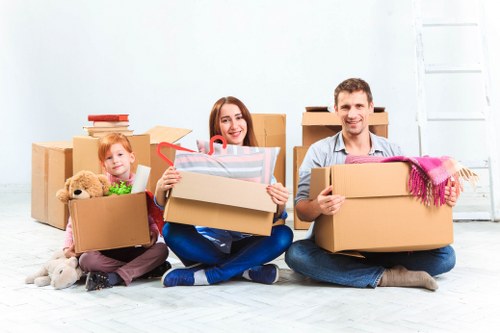 One of the most important parts of our sustainability approach is reuse before disposal. In many moves, we identify furniture, books, kitchenware, décor, and office items that can be passed on instead of recycled or thrown away. Through partnerships with charities, we help direct suitable donations to organisations that can give them a second life. This is especially valuable for residents looking to clear a property quickly while still making a positive environmental contribution.
Our Clapham Removals recycling process is also shaped by the practical realities of the area. In boroughs where waste separation is a priority, our crews are careful to keep reusable textiles, segregated metals, and cardboard bundles apart from general rubbish. We also look out for items that need special handling, such as batteries, paint tins, electrical equipment, and broken appliances, ensuring they are routed away from standard waste and into approved collection channels.
At the centre of our day-to-day sustainability work are our low-carbon vans, selected for better fuel efficiency and reduced emissions. These vehicles support shorter, cleaner journeys between Clapham, nearby transfer stations, donation partners, and recycling facilities. Combined with route planning and smart load management, they help our Clapham removals operations keep the carbon footprint of each move as low as possible.
 Packaging waste is another area where small changes create a big difference. We encourage the reuse of sturdy boxes, protective paper, wardrobe cartons, and reusable covers whenever they are in good condition. Damaged cardboard is flattened and sent for recycling, while plastic wraps and soft packing materials are separated based on what local processors can accept. This careful approach supports responsible waste management across the wider Clapham removals network.
For business relocations, our recycling and sustainability practices can be especially helpful. Offices often generate mixed streams of waste, including documents, shelving, broken peripherals, filing materials, and office furniture. We separate what can be reused, recycled, or transferred for specialist treatment. Where appropriate, we support secure paper recycling and the responsible disposal of old equipment, reflecting the boroughs’ wider emphasis on correct waste separation and resource recovery.
We also take a practical view of bulky household waste. Items such as wardrobes, mattresses, chairs, and broken storage units may not all be suitable for standard recycling, but many contain recoverable components. Our team assesses these items individually so that as much as possible is diverted from landfill. This means Clapham removals customers benefit from a more sustainable clear-out, without having to manage the sorting process themselves.
Our environmental policy is not only about what happens after a move; it is also about prevention. By using protective materials responsibly and choosing the most appropriate packing for each job, we reduce excess waste from the start. We avoid overpacking with disposable materials, and we favour reusable solutions where they provide the right protection. This balanced approach helps improve both service quality and sustainability outcomes.
The Clapham Removals team is committed to continuously improving our recycling percentage target by reviewing collection patterns, disposal routes, and material recovery opportunities. As local facilities and borough recycling standards evolve, we adapt our workflow to make the best use of transfer stations, charity channels, and specialist recycling partners. The result is a move service that is practical for customers and more considerate of the environment.
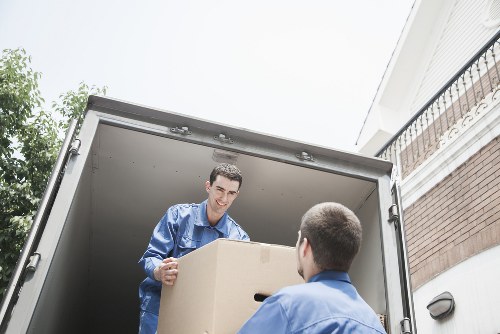 We are also mindful of the broader community impact of every removal. Sorting waste properly helps reduce pressure on local landfill, supports borough recycling systems, and keeps valuable materials in circulation for longer. Whether a move involves a single flat, a family home, or a commercial premises, our Clapham removals service aims to leave the lightest possible footprint while still delivering a reliable and efficient relocation experience.
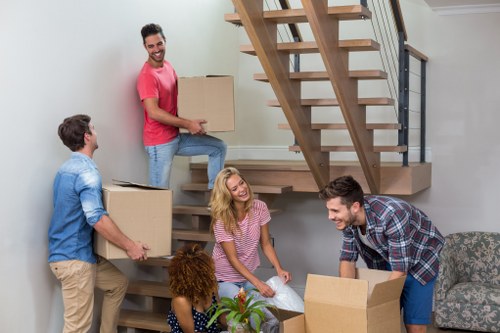 Looking ahead, our sustainability focus remains clear: more reuse, better separation, lower emissions, and stronger partnerships that benefit both customers and the community. By combining charity donations, careful recycling activity, and low-carbon vans, Clapham Removals offers a greener way to move in and around South London. It is a modern removals approach designed to support cleaner streets, smarter waste handling, and a more sustainable future.