Clapham removals for homes, flats and offices

Clapham removals means practical moving support in Clapham for households, flats and workplaces that need belongings moved with care, method and clear planning. Our removal service can cover furniture, boxes, appliances and other everyday items, with an approach that keeps the process straightforward from the first enquiry through to completion. If you are arranging a local move, a longer journey or a partial clearance, the aim is to make the work manageable and well organised.
We also support moves that need extra handling, such as narrow access, awkward staircases or items that benefit from careful wrapping and loading. For customers comparing options, the useful starting point is usually the scope of the move, the access at each address and whether packing, lifting or storage help is needed. You can request a quotation once you know the main details, and we can then shape the work around the size and type of move.
If you are looking for a broader overview of what we provide, our removal services page sets out the main types of moving work we handle, while this homepage focuses on the Clapham area and the practical decisions that matter before moving day.
House removals and flat moves in Clapham
Many customers need a household move that is planned around access, furniture size and the amount of packing involved rather than a one-size-fits-all service. Our house removals work covers furniture and contents from family homes, while flat removals are geared towards properties where stairs, lifts, shared entrances or parking can shape the loading order. The same careful approach helps keep everyday items, fragile pieces and bulky furniture moving in an orderly way.
For smaller or mid-sized moves, a flexible vehicle and loading plan can be more efficient than a large team where only limited access is available. In those cases, services such as man and van or man with a van can suit customers who want help with loading, transport and unloading without unnecessary complexity. The right option depends on how much there is to move and how the property is arranged.
When preparing a household quote, it helps to list the larger pieces first, then note any delicate items or anything that will need dismantling and rebuilding. A short inventory gives a clearer picture of labour, vehicle space and timing. If you are unsure how much detail to include, start with the main furniture, the number of rooms, and any restrictions at either address, then ask for advice before the work is booked.
Packing support and loading preparation

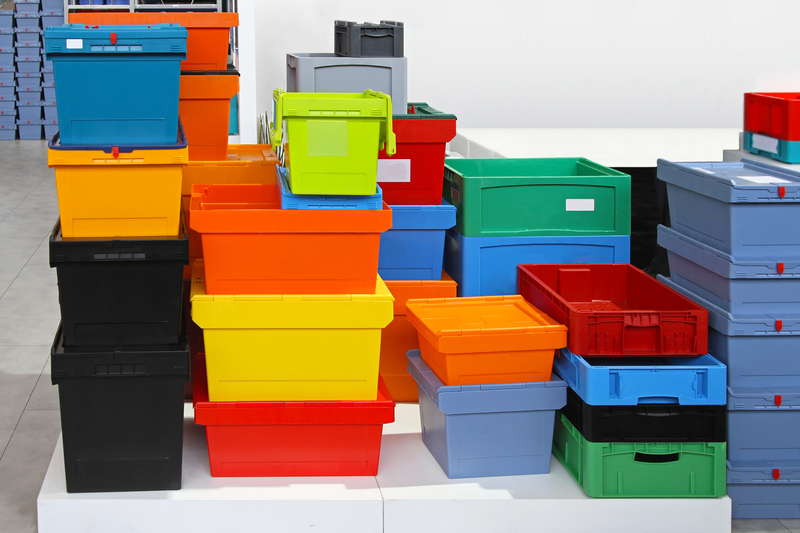
Packing can make a noticeable difference to how smoothly a move runs, especially where there are breakable household items, mixed box sizes or a tight timetable. Our packing and boxes page covers the materials side of preparing for a move, while packing and unpacking services are there for customers who want extra help with organising contents before departure and settling them in afterwards. Careful packing reduces the chance of shifting loads inside the van and makes unloading more orderly.
Good packing is not only about cartons. It also involves sensible grouping, clear labelling and making sure heavier items sit where they are least likely to move. Breakables need enough padding, while books, documents and kitchen items usually benefit from different box sizes. If you are moving with a mixture of old and new furniture, consider which pieces should be dismantled, wrapped or carried separately so they are easier to place on arrival.
- Use sturdy boxes that suit the weight of the contents.
- Keep important documents, valuables and essentials separate.
- Label rooms and note any fragile items clearly.
- Leave clear access to items that will be loaded first.
Furniture, specialist and single-item removals
Not every job is a full house move. Some customers only need selected furniture moved, one awkward item carried safely or a specialist piece handled with more care than a general transport run would allow. Our furniture removals page is relevant where sofas, tables, wardrobes or bedroom furniture need careful handling, while furniture pick-up suits individual items collected from a seller, storage point or supplier.
Specialist work can include heavier or more delicate pieces that deserve careful wrapping, steady lifting and a suitable vehicle layout. For example, piano removals involve more than simple carrying, because weight distribution, protection of finishes and access planning all matter. Where a job includes several heavy or valuable items, it is usually better to identify them early so that the moving plan can take account of size, weight and entry points.
Useful preparation for furniture moves usually comes down to three things: measure the largest items, clear the path to the exit, and decide whether anything should be dismantled before collection. If the property has tight corners, low ceilings or shared halls, those details are worth mentioning when you send an enquiry. They help shape the way items are carried, loaded and arranged in the vehicle.
Office removals and commercial relocation

Business moves need a different rhythm from domestic removals because desks, chairs, files, screens and storage units often have to be moved with minimal disruption to the working day. Our office removals page covers office furniture and equipment moves, while office relocation services are suitable where a workplace is changing address, layout or both. The focus is on careful planning, efficient loading and sensible sequencing of the move.
For larger business moves, a structured approach is often helpful. That can include identifying workstations, separating essential items from archive boxes and agreeing what should be moved first. Some offices also benefit from phased loading, particularly where the building has shared access or where the new premises need to be ready in stages. Clear instructions usually save time once the move begins, especially where multiple staff areas are involved.
Where a company needs transport for stock, furniture or equipment rather than an entire relocation, it can still make sense to use a dedicated removal service rather than a general courier. The practical issue is often not just distance but handling: items may need protection, stacking or lifting help. If that sounds familiar, it is worth asking for a quotation after you have set out the type of goods, access at both addresses and any timing constraints.
About Clapham

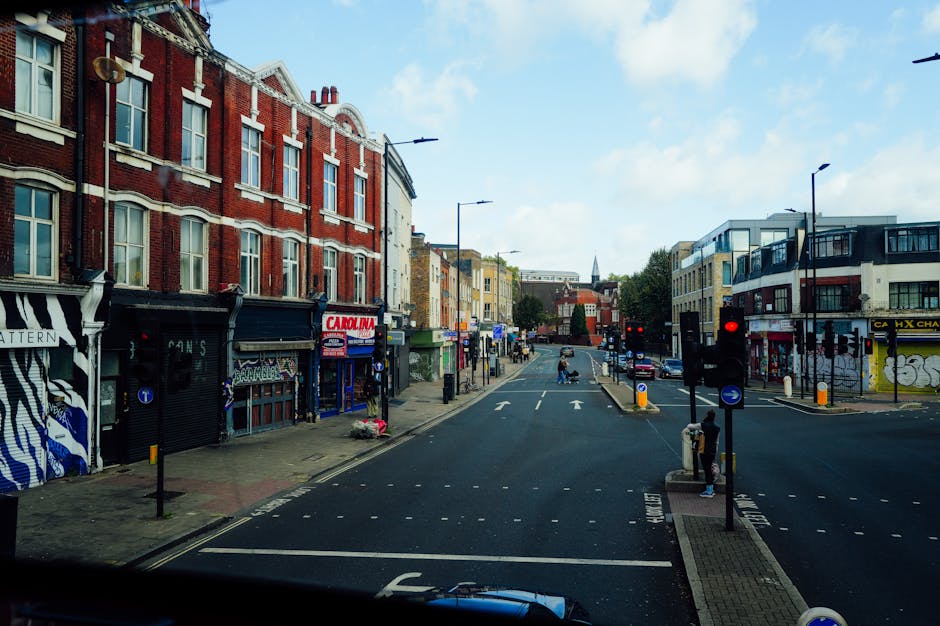
Clapham is an area in the London Borough of Lambeth in south London, best known for its mix of residential streets, open spaces and busy local centres. Clapham Common is one of its defining landmarks: a large open area with ponds, avenues of mature trees and broad grassland that has long served as a public gathering place. The area’s street pattern reflects layers of development, with Georgian and Victorian terraces alongside later housing and commercial buildings. Clapham Old Town retains a more historic feel, with narrower streets and buildings that sit closer together than the larger routes around it. The name Clapham itself appears in records from the medieval period, and the area developed steadily as London expanded southwards. Today, it is connected by several Underground stations, making it part of the wider inner-London network rather than an isolated district. Local life is shaped by the common, the high streets, cafes, independent shops and transport links, while nearby residential roads give the place a distinctly lived-in character. The combination of open space, older architecture and modern convenience has helped Clapham remain a recognisable part of south London’s urban landscape.
Storage, timing and move planning
Sometimes the most practical move is not a single trip but a sequence that includes holding items temporarily before they reach their final destination. Our storage page is useful where belongings need to be kept between properties, during refurbishment or while the timing of a completion is uncertain. Combining storage with removals can help keep the process orderly, especially when access dates do not line up neatly.
Timing also matters when a property handover, lift booking or parking restriction affects the move. A move may be straightforward on paper yet still benefit from a more considered plan if loading points are awkward or if access windows are limited. In those cases, it is sensible to note the preferred date, any building rules and whether you need the move broken into stages. This is one of the situations where a clear list of priorities can help the job run more smoothly.
If you want a detailed look at how prices are typically assessed, our pricing and quotes page explains the factors that usually shape a moving quotation. Once you know the volume, access conditions and any extra services you need, the next step is simple: send the details and ask for a quote.
Service choices for different move sizes

Different moves call for different levels of support. A compact flat move may only need transport and loading help, while a larger family home could require packing, dismantling, reassembly and careful coordination between rooms. Our removal companies page is useful when you are comparing the kind of support available, and removals gives a general overview of moving work across domestic and business settings. Matching the service to the task helps avoid paying for more than you need.
Some customers need a vehicle and crew for the day, while others want support for a single bulky item or a short local transfer. removal van and moving truck can be relevant when the vehicle choice is a key factor, while removal truck hire may be worth considering where the job depends more on transport capacity than on complex handling. The best choice depends on item size, access and the amount of loading involved.
For a smooth quotation process, gather the essentials in one place: what is moving, where it is going, whether packing is needed and whether there are access issues at either end. Then choose the service level that fits the move rather than trying to fit the move around a service. We are ready to help you plan the practical details, and the next step is to request a quotation with the information that will make it accurate.
Domestic moving options and specialist home support
Some home moves are simple transfers of furniture and boxes, but others involve a wider set of tasks that need planning in advance. Our home-moves page is relevant to household relocations that include everyday contents, while house removalists can help customers looking for a team-led move with practical handling support. The aim in either case is to keep the move ordered, safe and responsive to the property layout.
When a move includes several room types, it can be useful to separate items by use rather than by appearance. Kitchen equipment, bedding, books and ornaments often need different packing methods and load positions. If any furniture will not fit through the planned route, it is better to identify that early so it can be dismantled or handled differently. Small decisions like these can reduce delays once the moving day begins.
For customers who want a general view of the broader category, removal services also points to the range of moving help available. Whether the job is a full household relocation or a single-room move, the most useful quotation details are usually the same: contents, access, dates and any extra handling requirements. From there, the right level of support can be selected without unnecessary complication.
Practical support for local, national and same-day moves
Moves do not always follow a neat schedule. Some are planned well in advance, while others become time-sensitive because of tenancy changes, short-notice sales or work commitments. Our same-day removals page is relevant when speed matters, though the exact feasibility will depend on availability and the details of the job. A move can still be handled carefully even when it needs to happen quickly, provided the load is clearly described.
Short-notice work benefits from concise information. The main items, collection and delivery locations, and any access limitations should be set out plainly so the move can be considered properly. If you have to work around stairs, parking limits or a narrow loading area, include that as well. These details are not just administrative; they affect how the crew, vehicle and loading sequence are arranged. Good information makes a faster decision possible.
When you are ready, use the most relevant service page to understand the options and then make contact with a quotation request. For this site, the main starting point remains the Clapham removal service, and the simplest next step is to ask for a quotation based on your actual move rather than a rough estimate.
Final planning for a smoother removal
Before moving day, it is sensible to keep the most important practical points together: what is being moved, what needs special care and what might slow the job down at either property. Items that are fragile, unusually heavy or awkwardly shaped deserve attention early, not after the van has arrived. This is equally true for household goods and commercial contents, because the same principle applies: plan the move around the items and the building, not the other way round.
If storage, packing help or vehicle choice forms part of the job, those elements can be set out alongside the main removal request. That gives a clearer picture of scope and allows the quotation to reflect the actual work rather than a vague description. You do not need a long list, only the essential facts. With that in hand, it becomes easier to choose between a straightforward removal, a more supported service or a staged move with multiple parts.
Request your quotation today for Clapham removals, and we can help you take the next step with a service that fits the size, access and timing of your move.