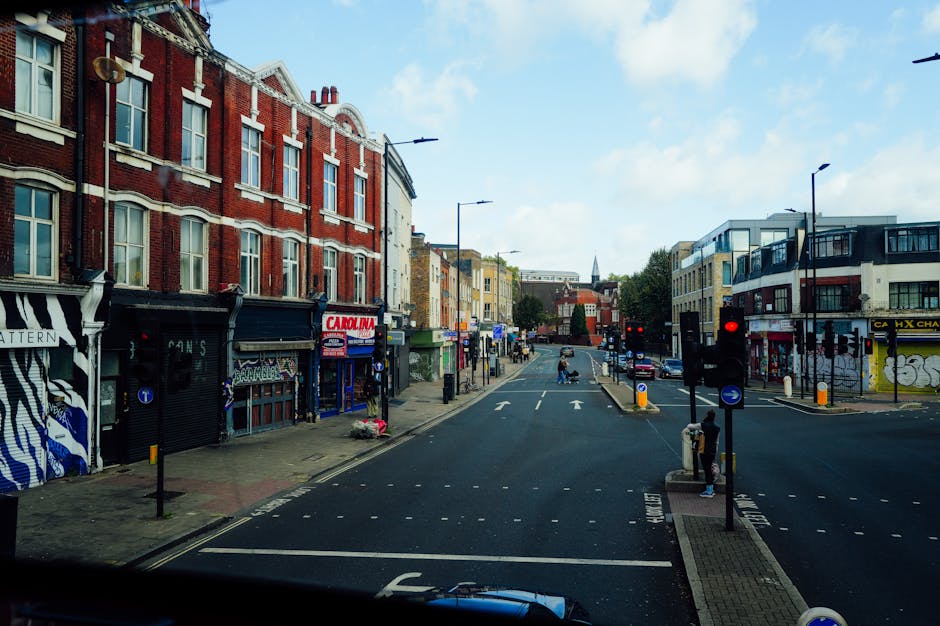
SW4 moving advice for Clapham High Street residents
If you live near Clapham High Street, moving home can feel strangely simple and oddly complicated at the same time. The postcode is compact, transport is handy, and yet one awkward stairwell, a busy pavement, or a tight parking spot can change the whole day. This guide gives clear, SW4 moving advice for Clapham High Street residents so you can plan properly, avoid common headaches, and make the move feel controlled rather than chaotic.
Whether you are shifting between flats, upsizing to a family home, or trying to move a bit of business equipment without upsetting the neighbours, the same basics apply: plan access, reduce clutter, pack in the right order, and choose the right moving support. Simple enough on paper. In real life, well, that's where people start discovering just how many boxes they own.
Why SW4 moving advice for Clapham High Street residents Matters
Clapham High Street is one of those places where moving advice has to be practical, not theoretical. You are dealing with residential blocks, busy main-road traffic, and a lot of footfall, often at the worst possible time. A move that would be straightforward in a quieter suburb can become fiddly here because the environment asks for more coordination.
Good advice matters because it helps you anticipate the things that usually cause delay: narrow staircases, lift access, loading restrictions, limited curb space, and the simple fact that London roads rarely feel forgiving on moving day. If your belongings are already packed but the vehicle cannot stop safely where you expected, the whole schedule starts to wobble. That is the kind of stress nobody needs before lunch.
For SW4 residents, local moving advice is also about choosing the right level of support. A compact flat move may only need a man and van arrangement, while a full family relocation or office shift may need fuller removal services. Getting that decision right early can save time, money, and a surprising amount of emotional energy.
Expert summary: the best SW4 moving plan is usually the one that reduces friction before moving day even begins. Think access, timing, packing order, and the size of the vehicle. Everything else sits on top of that.
How SW4 moving advice for Clapham High Street residents Works
The process is not mysterious, but it does work best when treated as a sequence rather than a single booking. First, you assess the property and the route in and out. Then you decide what level of moving support is needed. After that comes packing, disassembly if necessary, and the actual loading and transport. Sounds tidy. It rarely feels tidy unless you prepare.
For Clapham High Street residents, the first practical question is often access: can a vehicle stop close enough to the building, is there a lift, are there steps at the entrance, and how much room is there to manoeuvre furniture? Once those points are clear, the rest of the plan becomes much easier to shape. If you have ever stood in a hallway with a sofa that looked smaller in the room than it does in real life, you will know exactly why this matters.
The second part is choosing the right service mix. Some people only need transport and lifting help. Others need packing materials, fragile-item handling, temporary storage, or support for a bigger household move. A well-matched setup often means pairing packing and boxes with the right moving vehicle, or using home moves for a broader relocation. If you are moving something delicate, such as an upright or digital instrument, piano removals is the safer route than improvising with a borrowed trolley and optimism.
In practice, good moving advice works by preventing avoidable surprises. That is really the whole game.
Key Benefits and Practical Advantages
There are a few clear advantages to approaching a move in SW4 with a local, methodical mindset. The first is speed. When access details are checked and packing is done sensibly, the move tends to run in a cleaner rhythm. The second is protection: fewer rushed decisions means fewer damaged items, scuffed walls, or broken boxes. The third is peace of mind, which is not a fluffy extra. It changes how the whole day feels.
Another practical benefit is cost control. A move that drags on because the wrong vehicle was booked, the packing took longer than expected, or items had to be carried repeatedly across a longer distance can quietly become more expensive. The more accurate the plan, the more likely it is that your quote remains useful rather than theoretical. If you want to compare options properly, it helps to review pricing and quotes before you commit.
There is also a real local advantage in using services that understand central and southwest London moving patterns. Clapham High Street has its own pace, and that affects everything from arrival windows to parking strategy. A team used to similar properties will usually know how to keep things moving without turning your street into a small obstacle course.
- Less risk of damage to furniture and walls
- Better timing on narrow access streets
- More accurate vehicle and crew sizing
- Lower chance of last-minute stress
- Cleaner handover for flats, homes, or offices
Who This Is For and When It Makes Sense
This advice is useful for anyone moving in or out of the SW4 area, but it is especially helpful if you live near Clapham High Street itself. That includes renters in upper-floor flats, young professionals moving between shared homes, families with more furniture than they remember owning, and landlords or letting agents trying to coordinate a smooth changeover. It also suits small businesses that need a practical, low-disruption move.
If you are in a flat, the logistics often matter more than the distance. A move from one Clapham block to another only a few streets away can still involve difficult lift access, shared entrances, and time pressure from building management. In those cases, a specialist flat removals approach is often the most sensible fit.
If you are moving student belongings, the aim is usually simplicity and speed rather than full-scale logistics. That is where student removals can be a better match. For office users, meanwhile, a focused service such as office removals or commercial moves may make more sense than a domestic package.
When does it make sense to get help rather than try to do it all yourself? Usually sooner than people think. If you have bulky furniture, a tight deadline, parking uncertainty, or limited lifting help, it is worth taking a proper look at your options. Truth be told, the cheapest plan on paper is not always the cheapest by the end of the day.
Step-by-Step Guidance
The easiest way to manage a Clapham High Street move is to break it into manageable stages. Below is a straightforward route that works well for most residents.
- Confirm your move date and access details. Check your building rules, lift availability, entry codes, and the practical stopping point for a vehicle. If you share the building, tell neighbours or the managing agent early enough to avoid friction on the day.
- Declutter before you pack. Separate what is coming, what is being donated, and what needs collecting or disposing of. If you have old chairs, shelves, or a tired sofa that no longer earns its keep, arranging a furniture pick-up or furniture removals can save valuable space and reduce load volume.
- Choose the right moving method. A small flat move may work well with a removal van or man with van. Bigger moves may need a moving truck or removal truck hire.
- Pack by room and by priority. Keep daily essentials separate. Mark fragile boxes clearly. Put cables, remotes, chargers, and small fittings in labelled bags so they do not vanish into the moving void.
- Prepare bulky and awkward items early. Wardrobes, beds, mirrors, and instruments usually need more thought than you expect. If dismantling is involved, do it the day before, not ten minutes before the crew arrives.
- Book storage if the timelines do not line up. Not every move is a neat same-day handover. If you need breathing space between properties, storage can take pressure out of the schedule.
- Confirm the final plan in writing. Double-check timings, addresses, access notes, and any special items. A careful recap prevents the classic "we thought someone else had sorted that" problem.
A small but important tip: keep one clearly marked bag or box with your essentials. Keys, medication, snacks, phone charger, kettle items, a few cleaning supplies, and a change of clothes. It sounds obvious until you are standing in a new kitchen at 8 p.m. wondering where the teabags went.
Expert Tips for Better Results
Experienced movers will usually tell you the same thing: the move starts before the van turns up. The better your prep, the smoother the day. Here are a few practical tips that genuinely help.
- Measure wide items twice. Doorways, stair turns, lifts, and hall bends are often where good intentions become stuck intentions.
- Use consistent box sizes where possible. They stack better, are easier to carry, and reduce the risk of collapse.
- Label by destination room, not just contents. "Kitchen" is more useful than "miscellaneous things".
- Keep screws and fittings attached to the item they belong to. Tape them in a labelled pouch or bag.
- Photograph cable setups before disconnecting them. You will thank yourself later. Maybe not immediately, but later.
- Leave a clear route from the front door to the exit. Even a small pile of bags can slow a move down more than you expect.
If your move is larger or your schedule is tight, consider combining packing support with transport. A service like packing and unpacking services can remove a lot of pressure, especially when you are juggling work, children, or a tenancy deadline.
One more thing. Don't overpack boxes. A box that looks tidy but weighs a ton is basically a trap with cardboard on it.
Common Mistakes to Avoid
Most moving problems are preventable. The challenge is that people often realise what went wrong only after the van has arrived. The most common mistake is underestimating access issues. A driveway that looked "probably fine" on a Tuesday afternoon can be a complete nuisance when a larger vehicle tries to stop there with traffic passing and no space to breathe.
Another frequent error is leaving packing too late. It is one thing to finish off a few kitchen items the night before. It is another to discover, at 10 p.m., that the whole utility room still needs to be sorted. That is the sort of moment where people start muttering to themselves and looking for bin bags like they are treasure maps.
Other mistakes include:
- Not labelling boxes clearly enough
- Forgetting to confirm building access or lift bookings
- Choosing the wrong vehicle size for the load
- Not protecting mattresses, glass, or mirrors properly
- Leaving decluttering until moving day
- Ignoring the possibility of temporary storage
For larger or more complicated jobs, another mistake is assuming every move needs the same setup. It does not. Sometimes same day removals are appropriate. Sometimes they are not. Sometimes a smaller support package works perfectly; sometimes you need a fuller team and a removal services approach. The right choice depends on your property, volume, and timing.
Tools, Resources and Recommendations
You do not need a mountain of specialist equipment to move well, but a few basics make the job much easier. Sturdy boxes, tape, marker pens, protective wrap, blankets, and a dolly or trolley can go a long way. If you are moving a flat near the high street, door protectors and floor coverings are also useful because they help reduce scuffs in communal spaces.
It is also sensible to have a quick admin pack. Keep tenancy paperwork, keys, utility details, and any inventory notes together in one place. Simple, yes. But when you are tired, simple is gold.
Where professional support is needed, the most useful pages to review are the ones that explain what you are actually booking. For example, home moves works well for broader domestic relocations, house removals suits fuller household shifts, and man and van is often ideal for smaller, more flexible jobs. If you need a bit more certainty around transport, removal van or removal truck hire can be the better fit.
Law, Compliance, Standards, or Best Practice
Moving in London does not usually require you to become an expert in regulation, but a bit of compliance awareness helps. If a move takes place on a busy street, basic road safety, careful loading, and respect for shared access are not optional extras. They are part of good practice. Building rules may also apply, especially in flats and managed properties, so it is wise to check them early.
On the provider side, reputable removal businesses should be able to explain how they handle insurance, safety, payment security, and complaints. That does not guarantee perfection, of course, but it does show they take the work seriously. If you are comparing providers, reviewing their insurance and safety, health and safety policy, payment and security, and terms and conditions is sensible. So is checking whether they set out a clear complaints procedure.
If environmental responsibility matters to you, it is also fair to ask how unwanted items are handled. A service with a clear approach to recycling and sustainability can help you reduce waste and avoid dumping useful furniture without a second thought.
The short version: good moving practice is about safety, clarity, and fair handling of your belongings. That is the standard to look for.
Options, Methods, or Comparison Table
Choosing the right moving method can feel confusing, so here is a simple comparison to help you match the service to the job.
| Option | Best for | Strengths | Watch out for |
|---|---|---|---|
| Man and van | Small flat moves, quick local jobs, a few larger items | Flexible, often efficient, good for lighter loads | Can be too small for larger households |
| Removal van | Typical SW4 domestic moves with moderate furniture | Balanced for cost and capacity | Needs accurate load planning |
| Moving truck | Large homes, bulky items, multi-room relocations | More space, fewer trips | Access and parking need more thought |
| Storage | Staggered completion dates, renovation gaps, downsizing | Creates flexibility | Adds an extra step to organise |
| Same-day removals | Urgent situations and last-minute changes | Fast response when timing is tight | Less forgiving if access details are unclear |
If you are unsure which option fits, start with the size of the property and the number of bulky items. A one-bedroom flat near Clapham High Street may only need a compact setup. A family house with beds, wardrobes, bikes, and a piano? That is a different animal altogether.
Case Study or Real-World Example
Here is a realistic local scenario. A couple moving from a second-floor flat just off Clapham High Street to another property in SW4 wanted to keep costs down and avoid a long, stressful day. At first, they assumed a small van and a few friends would be enough. After a quick walk-through, it became obvious that the move included a heavy bed frame, several large bookcases, a mirror, and a tight stairwell with a corner that made turning awkward.
Once they measured the furniture properly, the plan changed. They reduced the volume by arranging a small furniture removals collection for old pieces they no longer wanted, packed non-essentials the week before, and booked a more suitable transport option. They also separated fragile items into clearly labelled boxes and left one essentials bag by the front door. Nothing flashy. Just sensible.
The move still took effort, of course. Moves always do. But it ran in a calmer way because the practical problems had been dealt with early. That is the real point of local moving advice: not to make moving easy, because that would be asking too much, but to make it manageable and predictable. And in a busy street, predictable is a very welcome word.
Practical Checklist
Use this checklist in the final days before your move. It is deliberately simple and designed for real life, not perfection.
- Confirm move date, time, and property access
- Check lift, stair, and parking arrangements
- Measure large furniture and doorways
- Declutter and separate items for collection, storage, or disposal
- Book the right moving support for your load size
- Gather boxes, tape, labels, and protective wrap
- Pack essentials separately
- Label every box with destination room and contents
- Protect fragile items and detach loose fittings
- Keep keys, documents, and valuables with you
- Notify relevant people if building access might be disrupted
- Plan a first-night box with the basics you will actually need
Quick reminder: if your timeline is tight, build in a little extra buffer. Just a little. Moving days have a habit of stretching in ways nobody enjoys.
Get a free quote today and see how much you can save.
Conclusion
SW4 moving advice for Clapham High Street residents comes down to one simple idea: the better you prepare for the realities of the area, the easier the move becomes. Access, parking, property type, item size, and timing all matter. Once you respect those basics, you can make a moving day that feels organised rather than frantic.
Whether you need a compact van, full household support, packing help, or storage between properties, the best choice is the one that fits your actual move, not the ideal version of it. Be honest about the volume, the stairs, the awkward furniture, and the time you really have. That honesty saves trouble later.
And if you do it properly, there is a quiet reward at the end: the first cup of tea in a new place, boxes stacked neatly, and the sense that the hard part is over. That feeling is worth planning for.
Frequently Asked Questions
What is the best moving option for a flat near Clapham High Street?
For many flats, a flat removals or man and van setup is enough, especially if the load is moderate and access is straightforward. If you have larger furniture or several rooms' worth of belongings, a bigger vehicle may be more sensible.
How far in advance should I book a move in SW4?
As early as you can, especially if you need a specific date or weekend slot. Busy periods fill up fast, and access in Clapham can be easier at some times than others. If the move is urgent, check whether same day removals are appropriate for your situation.
Do I need a full removal service if I only have a few items?
Not necessarily. Smaller moves often suit man with van or removal van options. The right choice depends on how much lifting is involved and whether you need help carrying items up or down stairs.
What should I do with furniture I do not want to take?
Separate it early and arrange collection or removal rather than leaving it until the last minute. A service such as furniture pick-up or furniture removals can reduce clutter and make loading easier.
Is storage worth considering for a move in Clapham?
Yes, if your move-out and move-in dates do not line up neatly or if you are downsizing. Temporary storage can remove a lot of pressure, especially during renovation delays or tenancy gaps.
How do I know if I need packing help?
If packing is taking too long, if you have fragile items, or if you are juggling work and family life, professional help can be a relief. Packing and unpacking services are especially useful when speed and order matter more than doing everything yourself.
Are piano moves really different from normal removals?
Yes. Pianos are heavy, awkward, and easy to damage if handled badly. Piano removals uses the right equipment and handling method, which is much safer than trying to improvise.
What should I check before choosing a removals provider?
Look at access planning, insurance, safety practices, payment terms, and how they handle complaints. Pages such as insurance and safety and terms and conditions are useful starting points.
Can I get help with a business move near Clapham High Street?
Yes. If you are relocating a workspace, office removals or commercial moves are more suitable than domestic services because they are designed around equipment, downtime, and access control.
What if my move date changes at the last minute?
Contact the provider as soon as possible. Some situations can be handled with flexible scheduling or adjusted transport. If the change is significant, ask whether the plan should shift to a different service level, such as removal services or a smaller vehicle.
How can I make moving day less stressful?
Pack early, label clearly, keep essentials separate, and confirm access details in advance. Small things matter. A calm, organised move usually starts with boring admin, not with a heroic last-minute sprint.
Where can I learn more about the company behind these services?
You can review the company background on the about us page and get in touch through the contact us page if you need to talk through your move in more detail.