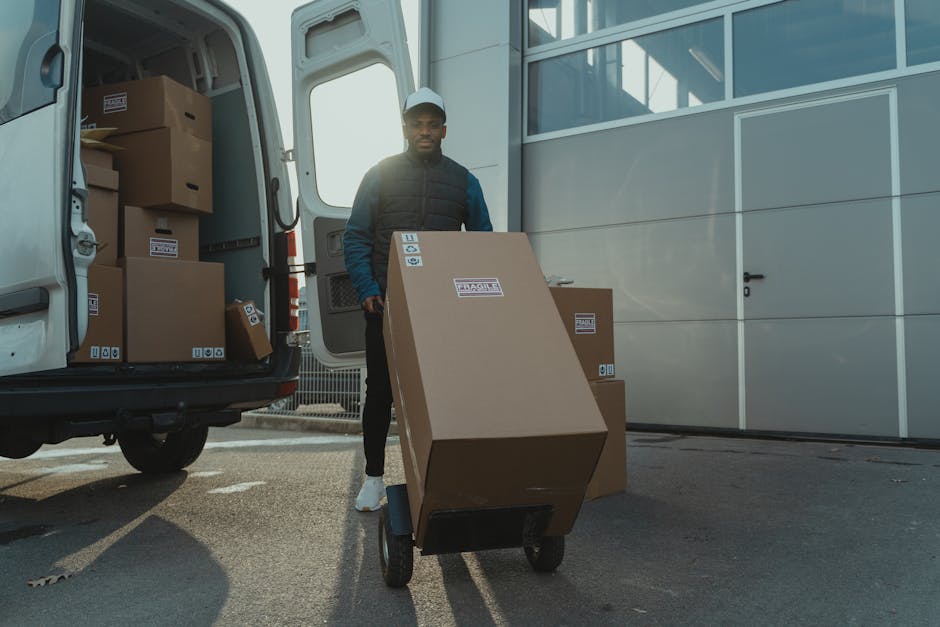
Abbeville Road man with van service for small moves
If you are planning a move on or near Abbeville Road, chances are you do not need a huge lorry, a marathon of loading time, or a full-scale removal crew. You need something lighter, quicker, and far less stressful: an Abbeville Road man with van service for small moves. That usually means one or two movers, a well-equipped van, and a flexible approach that suits studio flats, student rooms, compact homes, storage runs, furniture pick-ups, and those awkward half-a-house jobs that never fit neatly into a bigger moving category.
Let's face it, small moves can be oddly tricky. One sofa, three boxes, a desk, and a lamp somehow become a logistical puzzle by lunchtime. This guide breaks down how a man and van service works, when it makes sense, how to avoid common mistakes, and what to expect if you are moving around Abbeville Road or the surrounding Clapham area. You will also find a practical checklist, a comparison table, and a few real-world pointers that make the whole process feel much less chaotic.
Table of Contents
- Why Abbeville Road man with van service for small moves Matters
- How Abbeville Road man with van service for small moves Works
- Key Benefits and Practical Advantages
- Who This Is For and When It Makes Sense
- Step-by-Step Guidance
- Expert Tips for Better Results
- Common Mistakes to Avoid
- Tools, Resources and Recommendations
- Law, Compliance, Standards, or Best Practice
- Options, Methods, or Comparison Table
- Case Study or Real-World Example
- Practical Checklist
- Conclusion
- Frequently Asked Questions
Why Abbeville Road man with van service for small moves Matters
Small moves are often underestimated. People think, "It's only a few items, how hard can it be?" Then the day arrives, the lift is busy, parking is awkward, the wardrobe will not fit through the stairwell, and suddenly the plan needs rescuing. An Abbeville Road man with van service for small moves matters because it fills the gap between doing everything yourself and booking a full removal team you may not actually need.
In an area like Abbeville Road, where residential streets can be busy and parking can be a bit of a shuffle, speed and flexibility are a big deal. A smaller moving vehicle is often easier to position, easier to load, and more suitable for short local journeys. That can save time, reduce stress, and make the move feel manageable rather than like a weekend-written-off situation.
It also gives you a more tailored level of help. Some moves need careful handling more than brute force. Others need a quick turnaround between a flat, a storage unit, and a new address. A man and van setup is good at exactly that kind of job. Not flashy. Just useful. Which, to be fair, is what most people want on moving day.
Expert summary: For small moves, the real value is not just transport. It is the combination of practical loading help, local route knowledge, right-sized vehicle space, and a service that adapts to your actual belongings instead of forcing you into a one-size-fits-all move.
How Abbeville Road man with van service for small moves Works
A typical man with van service starts with a short booking conversation. You explain what needs moving, where it is going, whether there are stairs, fragile items, parking limits, or timing constraints, and then the service is matched to the job. If the move is very small, one mover may be enough. If there is a bulky sofa, a heavy mattress, or multiple stops, an extra pair of hands can make a big difference.
The vehicle is usually a removal van sized for compact household moves, furniture transport, and collection or delivery jobs. The crew will load items securely, using blankets, straps, trolleys, and basic protection to keep belongings steady in transit. That matters more than people realise. A van full of moving boxes sounds simple until one box topples and the whole lot starts shifting around like a shopping trolley on a slope.
For local moves around Abbeville Road, the process is often straightforward: collect, load, transport, unload. But there are usually details that make the difference between a smooth job and a frustrating one. Access, parking, timing, and the order in which items are loaded all matter. If you are planning a flat move, it may be worth looking at flat removals or broader home moves options where a smaller van still provides proper support.
Some customers also combine the move with packing help, furniture collection, or short-term storage. That can be useful if completion times are uncertain or if you are between places for a few days. In those cases, services like packing and boxes, furniture removals, or storage can make the whole plan less rushed.
Key Benefits and Practical Advantages
The main appeal of a man and van service for small moves is efficiency. You are not paying for unused capacity, and you are not trying to force a small job into a service designed for a full house relocation. That alone makes it attractive, but there is more to it than cost.
- Better fit for small loads: A compact vehicle is often ideal for a few pieces of furniture, boxes, or a studio flat.
- Faster loading and unloading: Less volume usually means less time on the clock, which is handy if access is tight.
- Useful for awkward items: Desks, beds, chairs, and white goods can often be moved more easily with proper help.
- Flexible scheduling: Smaller jobs can often be arranged around short notice changes, work commitments, or completion delays.
- Less disruption: You avoid the scale and complexity of a larger move when you simply do not need it.
There is also a practical emotional benefit, which sounds soft but is real: you feel more in control. A small move can still be stressful, but it tends to become much easier once there is a clear plan and the heavy lifting is off your plate. That first van door closing. Good moment, that.
If you are comparing options, it may help to look at the broader removal services picture, not just the transport itself. The right service should fit your belongings, your timing, and your building access, not just the postcode.
Who This Is For and When It Makes Sense
An Abbeville Road man with van service for small moves is a good fit for people who need a practical, local, no-drama solution. Think of it as the sensible middle ground for jobs that are too much for a car or taxi, but too little for a full-scale moving company.
It tends to suit:
- people moving between flats or shared houses
- students moving into or out of accommodation
- anyone collecting or delivering a few pieces of furniture
- landlords and tenants managing end-of-tenancy items
- homeowners moving a small number of possessions
- people sending items into storage temporarily
There are also cases where it is surprisingly helpful. A parent buying a bed for a child moving into a new flat. A freelancer shifting office gear from one room to another. Someone replacing furniture after decorating. These are the sorts of jobs that feel minor until you have to lift them yourself. Then not so minor.
For students or people moving on a tighter timeline, a service that can adapt quickly may be the most realistic option. You can also explore student removals and same day removals if your move has a deadline and not much wiggle room.
Step-by-Step Guidance
Here is a simple way to approach the move without overthinking it. Small moves still benefit from structure, even if the plan is fairly basic.
- List exactly what is moving. Write down the boxes, furniture, fragile items, and anything bulky or unusual.
- Check access at both addresses. Note stairs, lift size, narrow hallways, and parking restrictions.
- Decide what help you actually need. Do you just need transport, or do you need loading and carrying too?
- Pack safely and label boxes. Keep breakables separate and do not overfill them. Nobody enjoys a collapsing box of mugs.
- Confirm timings clearly. Make sure both collection and delivery windows are realistic.
- Prepare the route and parking. A van that can stop nearby saves a lot of wasted effort.
- Unload in the right order. Put essential items, bedding, and tools near the front so they come out first.
It sounds simple, and honestly it mostly is. But small details prevent big headaches. If you have a bed frame with loose fittings or a table that needs dismantling, ask about packing and unpacking services or whether a partial dismantle/reassemble approach is possible. For a lot of people, that single bit of support changes the whole day.
One helpful habit: keep a small essentials bag separate from everything else. Phone charger, keys, kettle, kettle bits, tape, a cloth, medication if needed. The little things vanish fastest during a move. Every time.
Expert Tips for Better Results
Good moving days rarely happen by accident. They usually happen because somebody thought through the small stuff beforehand.
- Measure bulky items before the move. A quick tape measure check can stop unpleasant surprises at the doorframe.
- Group items by room or priority. It makes unloading faster and avoids that "where did the toaster go?" moment.
- Protect corners and surfaces. A blanket or wrap around furniture is cheap insurance against scuffs.
- Keep cashless payment details ready. Having payment sorted in advance keeps the day moving smoothly. You can check payment and security information before booking.
- Be honest about awkward items. A piano, a heavy mirror, or oversized wardrobe needs advance notice. Surprises are fun at birthdays, not moving day.
Another small but valuable point: if the job involves furniture disposal or replacing old pieces, ask whether a separate collection is possible. A well-planned route may include a stop for furniture pick up or a more general furniture removals service. That can save you from organising two separate trips.
And if your move is only part of a bigger change, keep a bit of breathing space in the schedule. Rushed moves create silly mistakes. A ten-minute pause to check your list can save an hour later. Not glamorous, but true.
Common Mistakes to Avoid
Most small-move problems come from assumptions. People assume there will be enough space, enough hands, enough time, or enough parking. Usually one of those assumptions is wrong.
- Underestimating volume: "Only a few boxes" often becomes far more once everything is gathered together.
- Ignoring access issues: Narrow staircases, basement flats, and restricted parking all affect the job.
- Poor packing: Weak boxes, no labels, or loose items lead to delays and possible damage.
- Not mentioning heavy items: This causes planning problems and, frankly, can make things unsafe.
- Leaving timing vague: If key handover or furniture delivery windows matter, say so early.
- Choosing a vehicle that is too big or too small: Too big can waste money; too small can create a second trip.
Truth be told, one of the most common issues is leaving packing until the night before. It always looks manageable at 7pm. By 11pm, not so much. If you can spread the work out, even a little, the day runs smoother and your mood is better too.
For more complex moves involving offices or business equipment, the same principle applies. The smaller the move, the easier it may look on paper, but business items often need more care than you expect. In those cases, office removals or commercial moves may be more appropriate than a standard household arrangement.
Tools, Resources and Recommendations
You do not need a van-full of gadgets to make a small move work. A few basic tools, used well, can make the process cleaner and safer.
- Strong boxes: Use proper moving boxes where possible rather than flimsy supermarket leftovers.
- Packing tape: Good tape matters. Weak tape is one of those annoyances you only notice when it fails.
- Labels or marker pens: Room labels and "fragile" markings help enormously.
- Furniture covers or blankets: Useful for protecting polished wood, table corners, and mirrors.
- Trolley or sack truck: Helpful for heavier items, especially over short distances.
- Storage solution: Worth considering if your dates do not line up neatly.
If you are still weighing up your choices, browsing the wider removal companies and man and van pages can help you understand the service style that best matches your move. If you prefer a simpler phrasing, you may also see the service described as man with a van or man with van. The idea is broadly the same; the right fit depends on your load, access, and timing.
For people who want to spread the cost, it can be sensible to request a price discussion early rather than later. A service page like pricing and quotes is a useful place to understand how estimates are typically handled.
Law, Compliance, Standards, or Best Practice
Even a small move should be handled with care and basic professionalism. In the UK, good moving practice usually means checking access, lifting safely, securing items in transit, and being clear about insurance and responsibilities. You do not need a legal lecture to know this, but you do need a provider who takes it seriously.
When a service is moving furniture, appliances, or heavy items, safe lifting technique matters. So does vehicle loading. Items should be strapped or packed so they do not shift during transit. That is not just about protecting belongings; it is about reducing injury risk and preventing avoidable accidents. If your provider offers a clear health and safety policy and explains insurance and safety arrangements in plain English, that is a good sign.
It is also sensible to check the service terms before confirming a booking. Things like cancellations, damage handling, payment expectations, and waiting time should be transparent. See terms and conditions for the kind of detail that usually matters on the day. If a recycling or disposal element is involved, a clearly explained recycling and sustainability approach is another reassuring detail.
Best practice, in plain terms, is simple: communicate clearly, pack properly, lift safely, and do not pretend a piano is "just another box." It is not. Obviously.
Options, Methods, or Comparison Table
If you are deciding between doing it yourself, hiring a van, or booking a man and van service, the best option depends on the size of the move and how much physical effort you want to avoid. Here is a straightforward comparison.
| Option | Best for | Pros | Trade-offs |
|---|---|---|---|
| Do it yourself | Very small loads and light boxes | Lowest direct cost, full control | More lifting, more stress, more risk of delays |
| Van hire only | Confident movers with help available | Flexible and relatively economical | You still do the loading, driving, and unloading |
| Man with van service | Small to medium local moves | Loading help, transport, local efficiency | Not always ideal for large household moves |
| Full removals service | Larger or more complex moves | More hands, more equipment, less personal labour | Can be more than you need for a tiny move |
For a small move around Abbeville Road, the man and van option is often the sweet spot. Not too much. Not too little. Just enough support to keep the day sane.
If you are moving between homes rather than just transporting a few items, looking at removals and house removals can help you compare broader service levels. Some moves really do need the fuller setup.
Case Study or Real-World Example
Imagine a renter on Abbeville Road moving from a one-bedroom flat to a nearby property a few streets away. The load is modest: a bed base, a mattress, two side tables, a desk chair, four boxes, kitchen items, and a small shelving unit. There is no need for a huge moving truck, but there is a need for help carrying everything down two flights of stairs and unloading it without scratching walls or rushed handling.
In a case like this, a local man with van service is a tidy fit. The movers arrive with enough time to assess the access, decide the loading order, and secure the furniture in the van. The bed goes in first, boxes follow, and the lighter items are stacked safely. The journey itself is short. The real benefit is not the drive. It is the calm, structured handling before and after it.
Now picture a second example: someone leaving a shared house needs to move only a sofa, a bicycle, and a few personal items into storage for three weeks while they finalise the next tenancy. A service like this is arguably better than borrowing a friend's car and hoping for the best. It is quicker, less messy, and far easier on everyone involved. You probably know the type of move I mean. One of those jobs that somehow takes over your entire Saturday if you leave it to chance.
For situations like that, combining a small move with storage can keep life flowing while dates are being sorted. That is often the grown-up answer, even if it feels slightly unglamorous.
Practical Checklist
Use this checklist before move day so the job runs cleanly and you do not end up hunting for tape with ten minutes to spare.
- Confirm what items are moving and what is staying behind
- Measure any large furniture or awkward items
- Check parking access at both addresses
- Tell the mover about stairs, lifts, or narrow entrances
- Pack fragile items securely and label them clearly
- Keep essentials separate for immediate access
- Arrange keys, entry times, and contact details in advance
- Set aside paths and hallways so loading is easier
- Ask about insurance, payment, and any waiting-time expectations
- Plan the unloading order so the essentials come out first
If you are moving a specialist item like a piano, do not guess. Use a dedicated option such as piano removals. That sort of job needs more than enthusiasm and a strong back.
And if there is old furniture to dispose of, a route involving furniture pick up can help you clear the space without another round of logistics. Useful, simple, done.
Get a free quote today and see how much you can save.
Conclusion
An Abbeville Road man with van service for small moves is one of those options that looks straightforward on paper and turns out to be even more helpful in real life. It gives you the right amount of support for compact moves, local deliveries, furniture transport, and short-notice situations without the overhead of a larger removal operation.
What matters most is matching the service to the actual job. Small move, small load, sensible vehicle, careful handling, clear communication. That is the formula. Simple enough, but it works.
If you plan ahead, pack properly, and choose a service that understands local access and practical realities, the move can feel surprisingly smooth. Not effortless, because moving never really is. But smoother. Calmer. Much less faff. And sometimes that is exactly the win you need.
On a busy street like Abbeville Road, that sense of control is worth a lot. A good move is not just about getting things from A to B. It is about arriving with your sanity mostly intact.
Frequently Asked Questions
What counts as a small move for a man with van service?
A small move usually means a limited number of items: a few boxes, one or two pieces of furniture, a studio flat load, or a light household transfer. If you are unsure, list everything and ask for a practical assessment rather than guessing.
Is a man with van service cheaper than a full removal company?
It often is for small jobs, because you are not paying for more vehicle space or labour than you need. That said, price still depends on access, distance, timing, and whether extra handling is required.
Can a man and van service handle stairs and narrow hallways?
Yes, in many cases, but you should mention stairs, tight corridors, and any awkward turning spaces in advance. Those details affect planning, time, and sometimes the number of movers needed.
Do I need to pack everything myself?
Not always. Many people pack their own boxes but ask for loading help. Others prefer a more hands-off approach. If you need extra support, look into packing and boxes or related packing help.
How far in advance should I book a small move?
For a simple local move, booking ahead is ideal, but not every move allows that luxury. If your dates are tight, especially around tenancy changes, short-notice availability may still be possible.
What if my move includes furniture collection or disposal?
That is often manageable, but it should be explained clearly before the booking. Furniture collection, delivery, and disposal each have slightly different handling needs, so the mover needs accurate details.
Is insurance important for a small move?
Yes. Even small moves can involve damage risks if items are fragile, heavy, or awkwardly shaped. It is sensible to check how the provider handles insurance and safety before confirming anything.
Can I use a man with van service for student moves?
Absolutely. Student moves are one of the most common uses for this kind of service, especially when the load is compact and the timing is tied to term dates or accommodation handovers.
What happens if my completion time changes?
Tell the mover as soon as you know. Completion delays are common enough in real life, and good planning usually depends on honest communication rather than perfect timing.
Will one person and a van be enough for my move?
Sometimes yes, sometimes not. A small load and easy access can be a one-person job; heavier furniture, multiple stairs, or tight deadlines may justify extra help. The best answer depends on the actual job, not just the postcode.
Do I need to disassemble furniture first?
Only if it will not fit safely through doors or stairwells. Beds, large tables, and some wardrobes often move more easily when partially dismantled. If you are unsure, ask before the day rather than wrestling with bolts at 7am.
What should I check before I hire a man with van service?
Check what is included, whether the van size is suitable, how access is handled, what the payment terms are, and whether safety and insurance are clearly explained. That little bit of due diligence makes a big difference.